






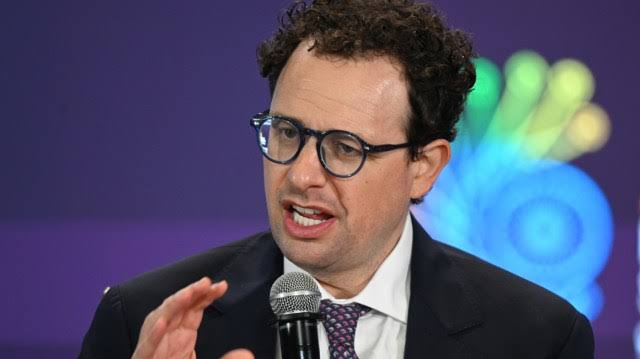
Anthropic CEO Calls for Slower AI Development Over Safe
Anthropic CEO Dario Amodei is calling for the artificial intelligence industry to slow the development of increasingly powerful AI systems, warning that safety measures are struggling to keep pace with rapid technological advances.
Amodei said the industry should continue developing AI but give researchers, companies and governments more time to establish safeguards capable of addressing emerging risks.
The warning comes as major technology companies compete to build more advanced AI models, increasing concerns about how the technology could be used in cybersecurity, biological research and other sensitive areas.
Amodei has warned that more capable AI systems could eventually be used to carry out sophisticated cyberattacks with limited human involvement. He has also raised concerns about the potential misuse of AI in biological research and the difficulty of maintaining human oversight as systems become more autonomous.
The Anthropic chief’s comments highlight a growing concern within the technology industry: AI capabilities may be advancing faster than the safety systems designed to manage them.
Amodei is calling for greater cooperation between AI companies rather than relying on individual firms to slow development on their own.
His proposals include stronger independent safety evaluations, closer cooperation among leading AI laboratories and international efforts to establish common safety standards for advanced AI.
A coordinated approach could reduce the risk that companies feel compelled to prioritize speed because competitors are continuing to develop their systems rapidly.
Slowing the development of advanced AI could prove challenging as technology companies invest heavily in research, computing infrastructure and new AI products.
The issue also carries geopolitical implications. The United States and China are competing for leadership in artificial intelligence, making international coordination over the development of increasingly powerful systems more complicated.
At the same time, supporters of rapid AI development argue that more capable systems could accelerate scientific research, improve productivity and deliver significant economic benefits.
Amodei’s comments add to a growing debate over how the world’s leading AI companies should balance innovation with safety.
The question is no longer simply how quickly AI can become more capable, but whether safety research, regulation and oversight can keep pace with that progress.
As the competition for increasingly advanced AI continues, pressure on technology companies and governments to demonstrate that the systems they develop can be deployed safely is expected to grow.