
DRC: Former FDLR combatants accuse Kinshasa of helping sustain the group

The dismantling of the FDLR remains one of the most sensitive issues in the security crisis in eastern Democratic Republic of Congo (DRC). While Kinshasa says it wants to put an end to the armed group, former Rwandan combatants who once belonged to it offer a markedly different account.
According to them, behind public statements and some military operations, arrangements may have allowed the group to preserve its capabilities and survive successive offensives against it.
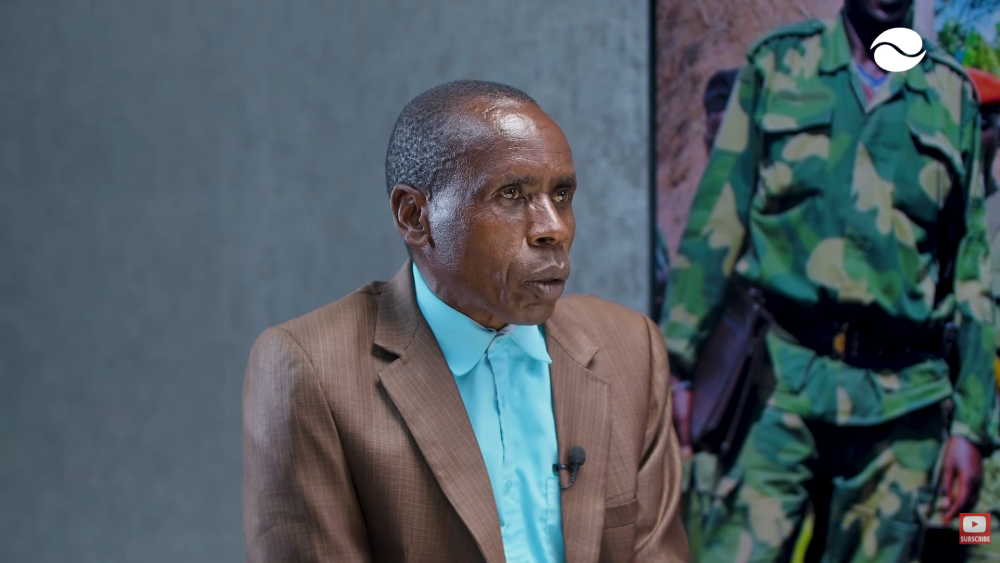
Among those former members is Pastor Niyonzima Jean Damascène, who says he worked in FDLR intelligence and reconnaissance before returning to Rwanda in 2023. His account traces the alleged links between the group and Congolese authorities back to the years of conflict that followed Laurent-Désiré Kabila’s rise to power.
According to Niyonzima, Kinshasa at the time needed forces capable of fighting Rwanda. Former Rwandan soldiers from the ex-FAR, as well as members of the Interahamwe, were therefore allegedly recruited. He says this military cooperation gradually created a lasting relationship between elements within the Congolese authorities and Rwandan fighters based in the country.
The change of leadership in Kinshasa did not, according to his account, bring an end to this dynamic. After the death of Laurent-Désiré Kabila and the accession of his son Joseph to the presidency in 2001, FDLR fighters were reportedly placed in camps in 2002. Niyonzima, however, says the process did not result in their complete disarmament.
The successive movements of the fighters would later contribute to strengthening their presence in eastern DRC. Niyonzima says that following an operation in Kamina in 2003, some FDLR elements moved toward the eastern provinces, where they reunited with other members of the group.
Much of his testimony focuses on allegations about the way some Congolese military operations were conducted. He claims that military commanders sometimes maintained contacts with FDLR commanders and that the fighters were warned in advance about the arrival of government troops.
Under this arrangement, Congolese soldiers could then enter areas that had already been abandoned, destroy certain installations and portray the operation as a military victory. The fighters, meanwhile, would have had enough time to withdraw. Niyonzima further claims that equipment was sometimes left behind after the soldiers had departed.
Retired Maj. Anastase Makuza, who says he worked alongside former FDLR leader Lt. Gen. Victor Byiringiro, gives a similar account. Having returned to Rwanda in 2020, he claims that Kinshasa’s public declarations about its intention to neutralise the group did not always reflect what was happening on the ground.
Makuza also describes operations during which FDLR fighters were allegedly warned before Congolese forces arrived. He claims that food supplies and ammunition were sometimes left behind after the operations. He also refers to messages allegedly left by Congolese soldiers, some of which portrayed Rwanda as the common enemy.
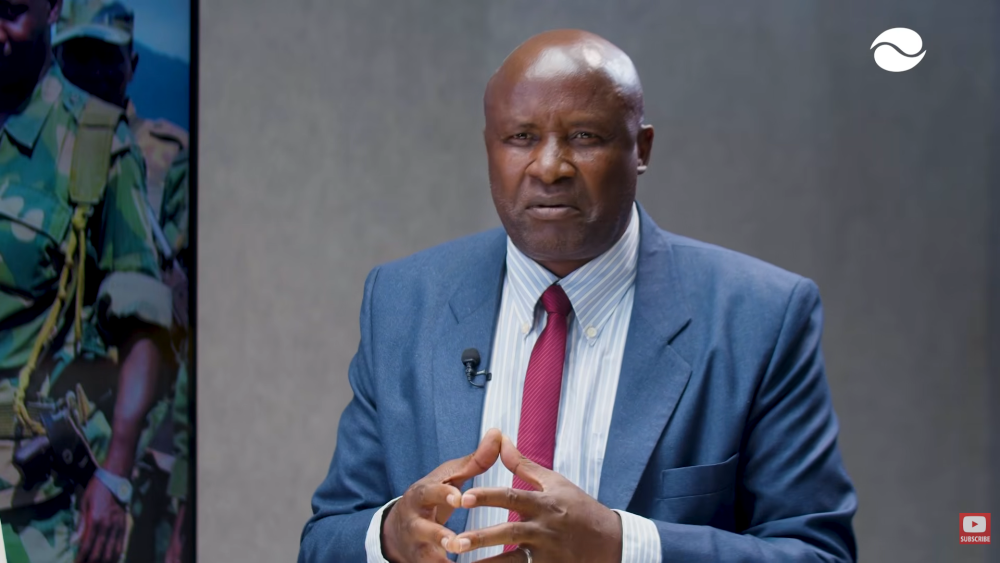
The two former combatants also reject the view that the FDLR is an ageing group with little ability to replenish its ranks. Makuza says the movement has evolved across generations. People who arrived in areas controlled by the group at a young age are said to have grown up there, while new generations were born into families linked to former combatants.
In his view, this evolution has enabled the FDLR to retain its capacity for mobilisation despite the gradual disappearance of some of its original members.
For Niyonzima and Makuza, Kinshasa’s interest in the FDLR is primarily military. They argue that Congolese authorities have repeatedly sought the support of experienced fighters whenever the army came under significant pressure on the battlefield. Niyonzima points in particular to the various periods of confrontation with the M23.
This alleged cooperation has also reportedly extended to the Wazalendo, armed groups mobilised alongside Congolese government forces. Niyonzima claims that FDLR-linked elements have fought within this broader alliance against AFC/M23. He specifically mentions Nyatura, which he describes as a group that received training and equipment from the FDLR.
According to his account, fighters from these networks are particularly deployed in areas where clashes are most intense. Their combat experience would make them, in the eyes of some Congolese officials, a difficult force to replace.
These accounts raise a broader question: how has an armed group that Kinshasa says it wants to dismantle managed to retain influence after so many years? The statements of these former combatants suggest that local power dynamics, military alliances and political interests may help explain part of the group’s longevity.