
A Slaughterhouse Without Safe Water – The Ordeal of Gitega’s Butchers

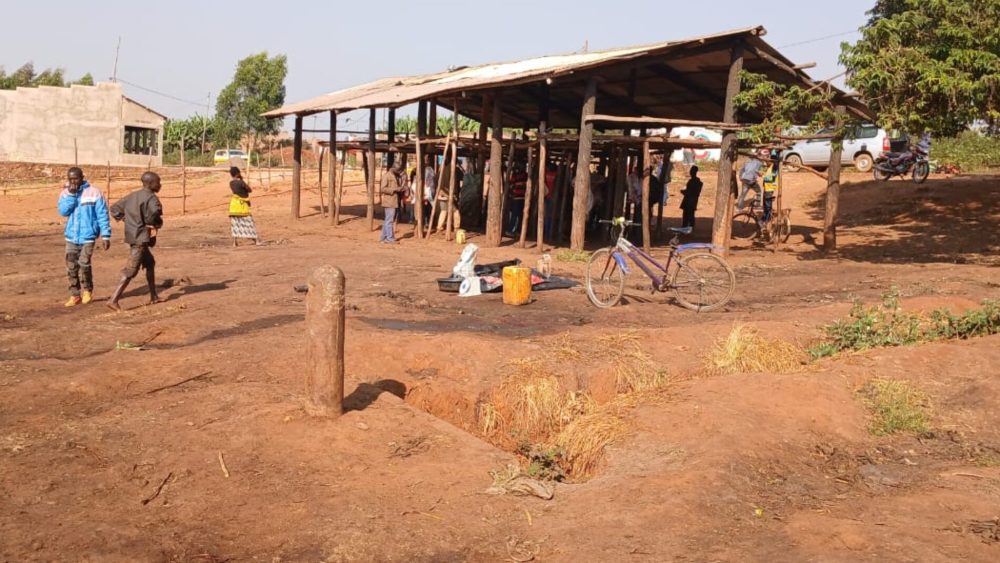
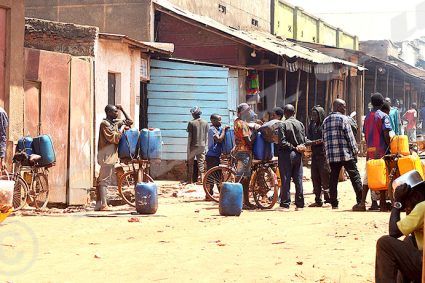
At the Bitare slaughterhouse in Bugendana Commune, Gitega Province, access to clean water has become a major challenge. For more than a year, butchers and other users of the facility have struggled to obtain potable water, forcing them to travel several kilometres to nearby streams. The situation has disrupted slaughtering activities and raised concerns about hygiene and food safety.
Xavier Nahimana, a 40-year-old butcher from Kibungo Hill, says workers have been relying on water from the Cogo stream, located about two kilometres from the slaughterhouse.
“We have not had clean water for more than a year. We have to rely on water from the Cogo stream, which is not suitable for drinking,” he says.
According to Nahimana, slaughtering a single cow requires around four 20-litre jerrycans of water. Fetching such quantities has added both financial and physical burdens to the daily work of the butchers.
The shortage is made worse by the lack of proper sanitation facilities at the slaughterhouse. Nahimana says workers are increasingly worried about the health risks associated with inadequate hygiene.
“We do not even have proper toilets. We fear contracting diseases because of poor hygiene and dirty hands,” he says.
The users of the slaughterhouse had previously hoped that the situation would improve after a tap connected to the local mosque’s water network was installed. However, the tap soon broke down, leaving them once again without a reliable source of water.
Ezechiel Nshimirimana, a 25-year-old butcher, says workers sometimes have to fetch water from the Gasenyi stream, about three kilometres away. A 20-litre jerrycan can cost as much as 1,000 Burundian francs, adding to the operating costs faced by those working at the slaughterhouse.
The shortage also affects the pace of slaughtering. Nshimirimana says the lack of water makes it difficult to maintain operations and causes delays in the slaughtering of livestock.
Beyond the inconvenience, however, butchers are particularly concerned about hygiene. Lucien Mvuyekure, the representative of Bitare’s butchers, says the absence of clean water makes it difficult to maintain acceptable sanitary conditions at a facility where meat is prepared for human consumption.
“The hygiene situation remains very poor because of the lack of clean water,” he says, questioning why adequate facilities have not been provided despite the revenue generated by slaughtering activities.
According to figures provided by the butchers’ representative, Bugendana Commune collects 40,000 Burundian francs for every cow slaughtered and 15,000 francs for every goat. A veterinarian receives 1,000 francs per animal, according to the same source.
The slaughterhouse handles a significant volume of livestock every day. Mvuyekure says around 50 cows and 100 goats are slaughtered daily at Bitare.
The meat is distributed to several markets. Some of it is sold locally in Bugendana, while other supplies are transported to Gitega and Bujumbura. The latter, Burundi’s economic capital and one of the country’s main consumption centres, is located more than 100 kilometres from Bugendana.
With the slaughterhouse serving such a large market, the butchers say modernising the facility has become increasingly urgent. They are calling for the construction of a modern slaughterhouse equipped with a reliable supply of clean water, proper sanitation facilities and infrastructure that would allow meat to be handled under safer conditions.
The communal authorities acknowledge the difficulties. Melchiade Ciza, the administrator of Bugendana Commune, says the authorities are aware of the water and infrastructure problems at Bitare.
He says a possible solution is already being considered. According to Ciza, four hectares of land have been made available in Makaba for the construction of a modern slaughterhouse.
The project, he says, is expected to be implemented under the Rural Entrepreneurship Development Programme, with financial support from the International Fund for Agricultural Development (IFAD).
Until the project becomes a reality, however, the butchers at Bitare must continue working with limited access to clean water and inadequate sanitation facilities. For them, the construction of a modern slaughterhouse is no longer simply a development project but an urgent need—both to improve working conditions and to strengthen hygiene and food safety for consumers.