

This story is about a diplomatic
dispute between the United States and Brazil
, centered on Brazil’s upcoming 2026 election.
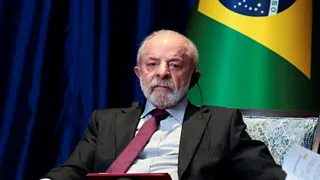
Brazilian President Luiz Inácio Lula da Silva accused the Trump administration of sending U.S. officials to Brazil to interfere in the country’s elections. The U.S. government rejected the accusation as “baseless.”
The bigger question is about the history and changing style of U.S. political influence abroad.
The United States has a long history of trying to influence political developments in other countries, sometimes through financial or political incentives and, in some historical cases, through covert support for coups.
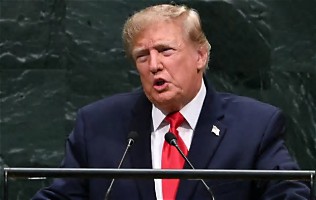
President Donald Trump has increasingly used a more open and public approach, openly supporting foreign politicians whose political views align with his.
In Brazil, Trump has shown support for politicians associated with former president Jair Bolsonaro, putting him at odds with Lula.
The story asks whether this represents a new blueprint for U.S. foreign policy—moving from largely covert interference toward openly trying to influence political outcomes in other countries.
So, in simple terms, the dispute is about whether the Trump administration is crossing the line from supporting foreign political allies to directly interfering in another country’s elections.