From Bricklayer to Football Coach: Burundian Refugee Rebuilds His Life in Rwanda

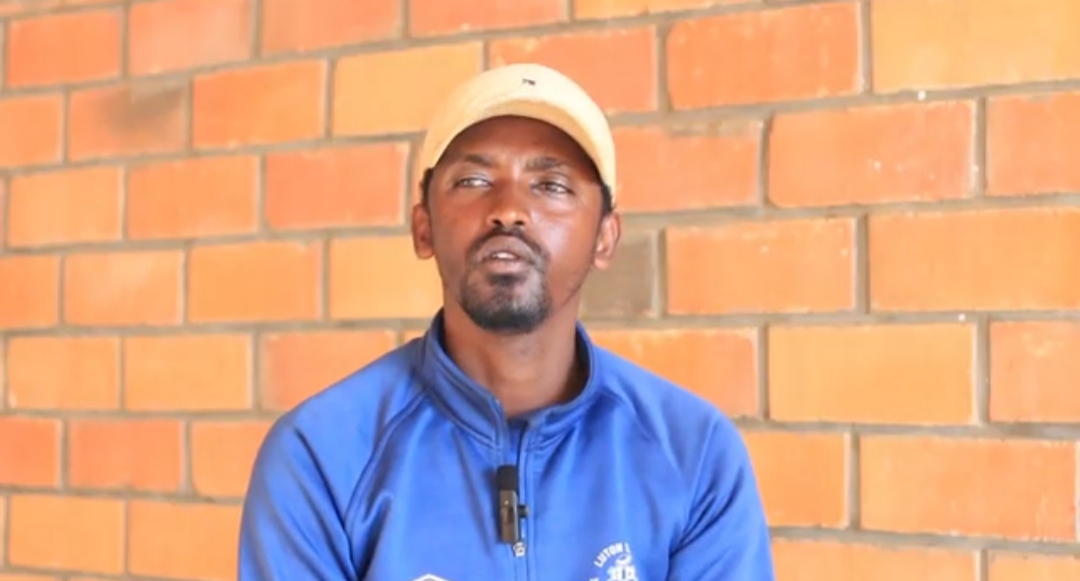
Elie Nshimirimana, popularly known as Somali, has worked as a bricklayer and motorcycle taxi rider since arriving in Rwanda as a refugee. Today, he is pursuing his passion for football as a coach while supporting his wife and two children. His journey highlights the determination of refugees to overcome challenges, earn a living and achieve their ambitions.
Displacement often forces people to abandon familiar surroundings, careers and opportunities. However, for some refugees, starting a new life also means discovering new skills, adapting to unfamiliar circumstances and finding ways to turn their ambitions into reality.
For Elie Nshimirimana, a Burundian refugee living in Rwanda, the journey has involved several professions, from construction work to motorcycle taxi transportation, before returning to his passion for football.
Known as Somali, Nshimirimana arrived in Rwanda and faced the challenge of providing for his family in a new environment. Married and a father of two, he understood that rebuilding his life required hard work and the willingness to explore different opportunities.
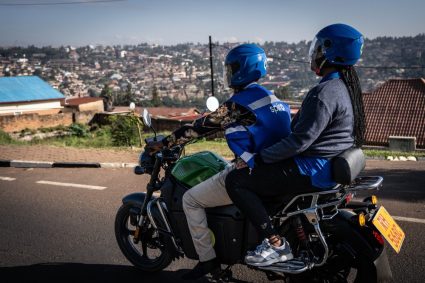
He began working as a bricklayer before taking up motorcycle taxi riding, commonly known as taxi-moto, to generate income for his household.
“Since arriving in exile, I have learned several trades, including bricklaying and motorcycle taxi riding. However, later on, I wanted to reconnect with my passion for football,” he said.
His determination eventually opened another door when he secured an opportunity to work as a football coach at the Junior Academy of the Ndayisaba Fabrice Foundation in Nyabihu District.
The opportunity allowed him to return to a sport he loves while continuing to build his professional career.
For Nshimirimana, every job has contributed to his family’s survival and wellbeing. He says working in construction enabled him to fulfil his responsibilities as a husband and father, while motorcycle taxi transportation provided an additional source of income.
“When I started working in construction, it enabled me to fulfil my responsibilities towards my wife and two children. Later, motorcycle taxi riding also helped me provide for their needs,” he explained.
Beyond his personal achievements, Nshimirimana acknowledges the opportunities he has found in Rwanda. He expresses gratitude to the Rwandan government for welcoming refugees and allowing them to participate in economic activities.
He particularly highlights the opportunity to work and contribute to the country’s economy while fulfilling tax obligations like other workers.
“I would like to express my gratitude to the Rwandan government for welcoming us and giving us the opportunity to work freely, just like Rwandan citizens. Despite our refugee status, we can work, pay taxes and pursue our ambitions,” he said.
Challenging stereotypes about refugees
Nshimirimana’s experience also challenges negative perceptions that refugees are dependent on humanitarian assistance and unwilling to work.
He argues that many refugees are hardworking individuals who make significant efforts to support their families and improve their living conditions.
“Those who say refugees are lazy and simply sit around doing nothing are completely wrong. That is absolutely false. We work hard. Being called refugees does not limit us in any way,” he stressed.
He also calls on people who hold negative perceptions about refugees to interact with them and understand their experiences rather than judging them based on their legal status.
According to him, personal interaction and opportunities to learn about refugees’ daily activities can help break down stereotypes and promote mutual understanding.
“Some people still have prejudices and make negative remarks about refugees. I would encourage them to come and meet us, get to know us and understand how we work and manage our lives despite the challenges,” he said.
Beyond refugee status
Nshimirimana’s story illustrates how determination, adaptability and access to economic opportunities can help displaced people rebuild their lives.
From construction sites to motorcycle taxis and now football training, his journey demonstrates that becoming a refugee does not mean giving up professional ambitions or personal dreams.
His experience reflects the message promoted by Beyond Exile: “We are refugees, but beyond that status, we have ambitions and dreams to achieve, and through hard work, we can turn those dreams into reality.”
Across different sectors, including business, healthcare, education, construction, sports and the arts, refugees possess skills and experiences that can contribute to the development of their host communities.
For Nshimirimana, the journey is still continuing. His story is not simply about surviving displacement; it is about finding opportunities, supporting his family and pursuing a passion that exile could not take away.