


More Than 840 Million Women and Girls Have Experienced Violence Worldwide, WHO Reports

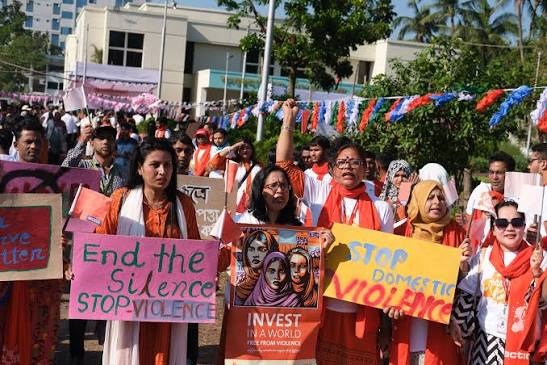
Nearly one in three women worldwide has experienced physical or sexual violence during her lifetime, according to the World Health Organization (WHO). A new report reveals that violence against women and girls remains a major global public health and human rights crisis.
Violence against women and girls continues to affect millions of lives across the world, despite decades of efforts to promote gender equality and protect victims.
According to estimates published by the World Health Organization and its United Nations partners on November 19, 2025, approximately 840 million women—nearly one in three globally—have experienced physical or sexual violence by an intimate partner or sexual violence by another person at some point in their lives.
The figures highlight the widespread nature of a problem that continues to affect women in every region of the world and remains difficult to address.
The report also estimates that approximately 316 million women aged 15 and older experienced physical or sexual violence by an intimate partner during the past 12 months. This represents about 11 percent of women in the affected age group worldwide.
Sexual violence committed by people other than intimate partners remains another serious concern. An estimated 263 million women have experienced such violence since the age of 15. However, the WHO warns that the actual figures may be higher because many victims do not report abuse due to fear, stigma, shame or a lack of access to support services.
The consequences of violence extend far beyond physical injuries. Survivors may experience long-term psychological trauma, depression, unwanted pregnancies and reproductive health complications. Many also face social isolation, economic dependence and fear, making it difficult to escape abusive situations.
Adolescent girls remain particularly vulnerable. The WHO estimates that approximately 12.5 million girls aged 15 to 19 experienced physical or sexual violence by an intimate partner during the past year.
Despite progress in data collection and the introduction of policies aimed at protecting women, efforts to reduce violence remain insufficient. The report indicates that the rate of decline in intimate partner violence has been extremely slow, decreasing by only 0.2 percent annually over the past two decades.
The WHO and its partners are calling on governments to strengthen violence prevention programmes, improve access to healthcare, legal assistance and psychological support, and ensure the effective implementation of laws protecting women and girls.
However, ending violence against women cannot depend on governments alone. Communities, families, schools and the media also have an important role to play in challenging attitudes that normalize abuse and promoting respect for women’s rights and dignity.
As the world marks the International Day for the Elimination of Violence Against Women on November 25, the latest figures serve as a reminder of the urgent need for action.
Behind the estimated 840 million victims are millions of lives affected by violence, families facing its consequences and women still waiting for protection, justice and dignity.
Ending violence against women and girls remains a major global challenge and an essential step toward building safer, fairer and more equal societies.