




Senegal: 39 People Killed After Migrant Boat Capsizes on Route to Spain

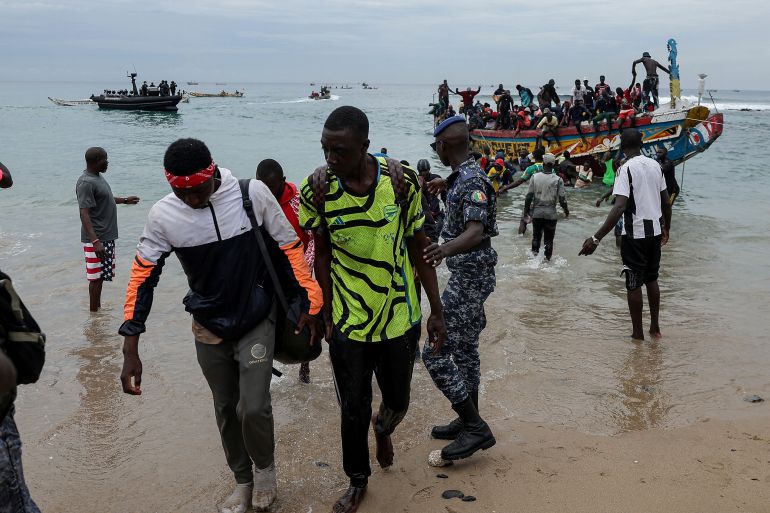
At least 39 people have died after a small boat carrying migrants capsized in the Atlantic Ocean off the coast of Senegal. Only one person has been rescued, while search and rescue operations continue.
The accident occurred near the town of Kébémer, in northwestern Senegal, between the cities of Dakar and Saint-Louis. According to information released by the authorities, the boat had departed from Saint-Louis and was heading towards the Spanish coast.
Initial information released by Senegal’s Ministry of Interior and Public Security on November 8, 2026, indicated that 21 people had died, while one person had been rescued. However, the death toll continued to rise as search operations progressed, reaching 39 by November 9.
Senegal’s national news agency reported that additional bodies had been recovered, although the exact number of people who were on board remained unclear. Authorities said search operations were still underway to locate anyone who might have gone missing.
Senegalese President Bassirou Diomaye Faye expressed his condolences to the families of the victims, saying the government would strengthen efforts to combat networks organising irregular migration journeys that put people’s lives at risk.
He also urged young people in Senegal to avoid dangerous migration routes and instead focus on seeking opportunities to build better futures within their own country.
The tragedy has once again highlighted the dangers faced by migrants travelling from West Africa to Europe across the Atlantic Ocean, particularly those attempting to reach Spain’s Canary Islands.
The Atlantic route is considered one of the world’s most dangerous migration journeys. Many of the boats used are small, poorly equipped for long-distance sea travel and frequently carry more passengers than their capacity allows.
According to the migration rights organisation Walking Borders, 635 people died or went missing along this route between January and May 2026.
The main factors driving many young people to undertake these dangerous journeys include unemployment, poverty, limited job opportunities and the desire to find better living conditions in European countries.
The latest tragedy highlights the need for African and European countries to address migration beyond border control measures. Experts and humanitarian organisations have repeatedly called for broader strategies to tackle poverty, create employment opportunities and empower young people to build sustainable futures in their home countries.