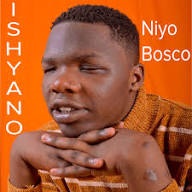

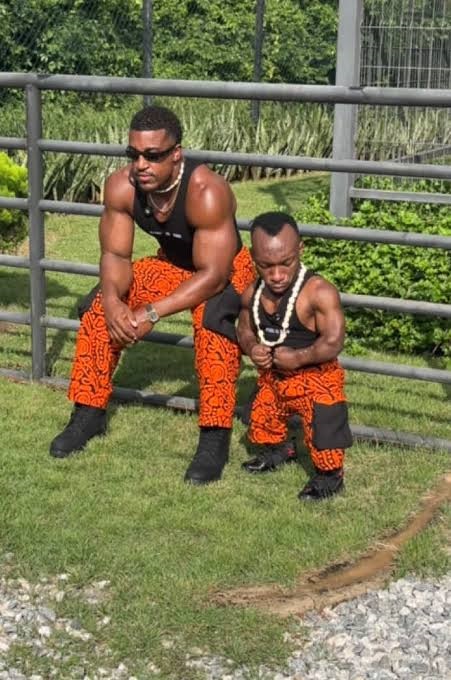
From facing prejudice because of his physical condition to becoming an internationally recognised content creator, Enock Uwizeye, popularly known as Kagarara or Ashton Small, is using his digital platform to challenge society’s perceptions of disability. His message is simple but powerful: disability should never determine what a person can achieve.
For Enock Uwizeye, known to millions of social media users as Kagarara or Ashton Small, success is about more than becoming famous on the internet. It is about changing perceptions, challenging discrimination and showing the world that physical disability does not prevent people from pursuing their dreams.
The Rwandan content creator has attracted international attention through comedy, fitness challenges and motivational videos that demonstrate his determination and physical strength.
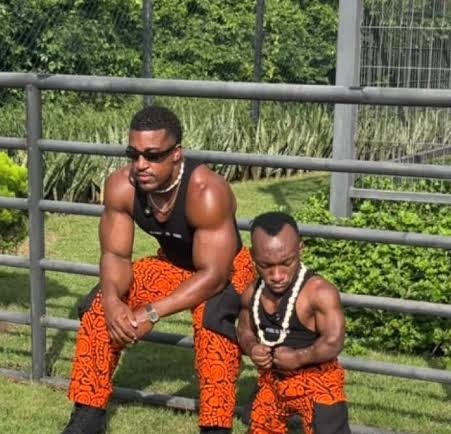
Born with a condition that affects bone growth and results in significantly shorter stature, Kagarara has experienced the challenges associated with living with a disability. His condition, reported as spondyloepiphyseal dysplasia congenita, affects skeletal development and can influence a person’s height and physical mobility.
However, rather than allowing his physical condition to define his identity, he has built a public image around confidence, creativity and determination.
His journey has also highlighted an important issue facing people with disabilities: the greatest obstacles are not always physical. Social prejudice, discrimination and the tendency to underestimate people’s abilities can create additional barriers to participation and success.
From social media creativity to international recognition
Kagarara’s rise to international recognition demonstrates how creativity and consistency can open unexpected opportunities.
He gained widespread attention after recreating the famous morning fitness routine of American fitness influencer Ashton Hall. His humorous video, which ended with the words, “Ashton Hall, this is Africa,” quickly spread across social media, attracting millions of reactions.
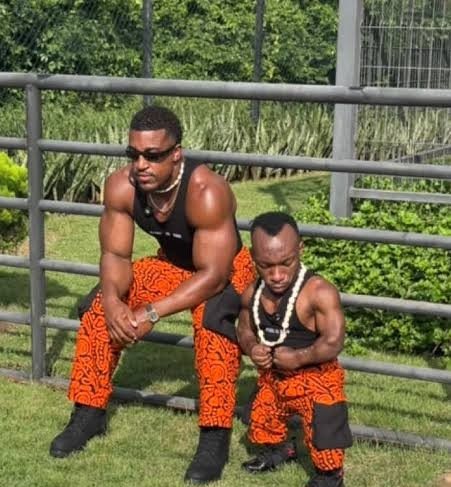
The video eventually caught the attention of Hall himself, creating an opportunity for the two creators to meet in Ghana in June 2026.
Their meeting became another significant moment in Kagarara’s journey. Rather than limiting their interaction to photographs and conversations, the two participated in fitness activities, including a push-up challenge that demonstrated Kagarara’s strength and endurance.
During their meeting, Hall praised the Rwandan creator’s energy and creativity, describing him as someone he wanted to support.
When asked about his biggest dream, Kagarara expressed his ambition to demonstrate to Africa and the rest of the world that disability does not mean inability.
His message resonated with audiences beyond Rwanda, helping bring greater attention to the potential of people living with disabilities.
A disability that does not define his potential
Kagarara’s physical condition is an important part of his personal story, but it is not the entirety of who he is.
Living with a condition that affects skeletal growth means navigating a world that is not always designed to accommodate people of different physical characteristics.
For people with dwarfism and other physical disabilities, everyday activities, public infrastructure and social interactions can present additional challenges.
Kagarara’s public journey has also drawn attention to the emotional difficulties associated with growing up with a disability, including negative comments, discrimination and being underestimated by others.
In his own words, he was born with a disability, and some people told him there were many things he would never be able to do. Instead of accepting those limitations imposed by others, he chose to challenge them.
His determination to participate in fitness activities and create entertaining content has become part of his message to people who may have been discouraged from pursuing their ambitions because of their physical conditions.
Turning influence into a message of hope
Kagarara’s growing popularity has provided him with an opportunity to communicate a message that goes beyond entertainment.
Through his content, he encourages people with disabilities to recognise their abilities, develop their talents and refuse to let negative opinions determine their futures.
His story also challenges society to reconsider how it treats people with disabilities.
Rather than viewing disability through the lens of pity, he demonstrates the importance of respect, equal opportunities and inclusion.
His journey is a reminder that people with disabilities should have the opportunity to participate in education, employment, business, sports, entertainment and other areas of public life without being judged by their physical appearance.
A new chapter as an author
Beyond his growing influence on social media, Kagarara has also taken another step towards sharing his experiences through literature.
On September 26, 2026, he launched his first book, Muraho, My Name Is Kagarara, at the Kigali Convention Centre.
Published in English and Kinyarwanda, the book tells the story of his life, including the challenges he experienced growing up with a disability.
He explained that one of his motivations for writing it was to encourage children with disabilities to remain hopeful and understand that difficult experiences do not have to determine their future.
He also wanted parents and society to recognise that children with disabilities have the same rights, abilities and potential as other children.
The book represents another way of extending his message beyond social media, particularly to young readers who may be experiencing similar challenges.
An encouragement to people living with disabilities
Kagarara’s story carries an important message for people living with disabilities: never allow other people’s expectations to become the boundaries of your dreams.
His experience demonstrates that physical differences should not be mistaken for a lack of talent, intelligence, strength or ambition.
For parents, his journey is also a reminder to support children with disabilities, encourage their interests and give them opportunities to develop their abilities.
For society, the message is equally important. People with disabilities do not need sympathy alone; they need respect, accessibility, inclusion and equal opportunities to demonstrate what they can accomplish.
Beyond fame, a lasting message
Kagarara’s growing recognition, particularly following his encounter with Ashton Hall, has introduced his story to international audiences. Yet the significance of his journey extends far beyond viral videos, social media followers and celebrity meetings.
His greatest contribution may be the conversation he is helping to create about disability and human potential.
By combining entertainment, fitness and storytelling, Enock Uwizeye is challenging assumptions about what people with disabilities can achieve.
His journey offers a powerful reminder that a person’s physical condition does not determine the size of their dreams or the value of their contribution to society.
For Kagarara, the message remains clear: Disability is not inability.