
Rwanda and DR Congo Clash Over Francophonie Leadership Deal Reached in Cambodia

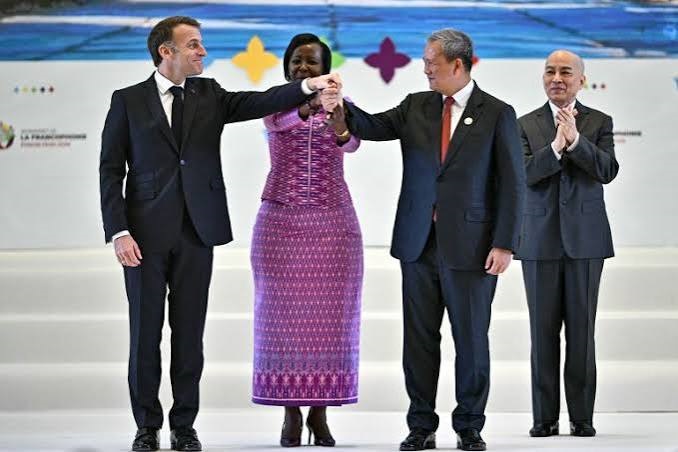
A diplomatic disagreement between Rwanda and the Democratic Republic of Congo (DR Congo) has emerged following a decision to postpone the election of a new Secretary-General of the International Organisation of La Francophonie (OIF) during its summit in Phnom Penh, Cambodia.
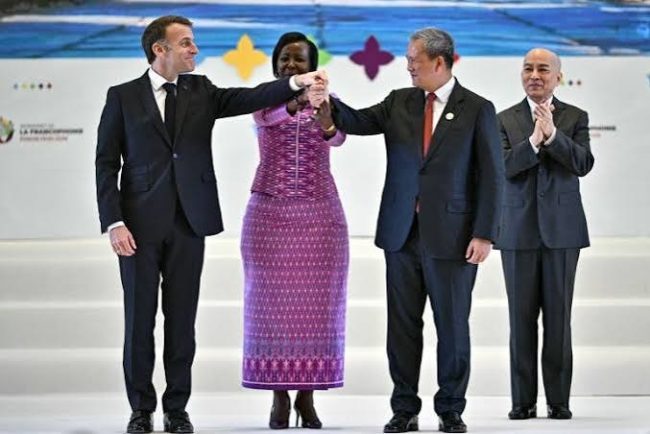
The summit, which brought together leaders of French-speaking countries, had been expected to select a successor to Rwanda’s Louise Mushikiwabo, who has led the organisation since 2018. However, disagreements among member states prevented a consensus from being reached, forcing leaders to postpone the election by one year.
Under the compromise reached on November 16, 2026, Mushikiwabo will remain in office for an additional 12 months while the organisation undertakes institutional reforms ahead of a new leadership election.
The decision followed tensions between Rwanda and DR Congo, with Kinshasa opposing Mushikiwabo’s bid for a third consecutive term and threatening to withdraw from the organisation if she was re-elected.
DR Congo had initially nominated Juliana Lumumba but later withdrew her candidacy and supported former Romanian Prime Minister Dacian Cioloș in an attempt to reach a consensus around a different candidate.
However, Rwanda maintained its support for Mushikiwabo, arguing that member states should be allowed to nominate candidates in accordance with the organisation’s established procedures.
The disagreement has since extended beyond the election itself, with the two countries presenting different interpretations of the agreement reached in Cambodia.
A diplomatic compromise, but tensions remain
The postponement of the election appears to have prevented an immediate institutional crisis within the Francophonie. However, it has not necessarily resolved the political disagreements that led to the deadlock.
DR Congo’s opposition to Mushikiwabo’s continued leadership is also linked to broader diplomatic tensions between Kinshasa and Kigali, particularly over the conflict in eastern DR Congo.
Kinshasa has repeatedly accused Rwanda of supporting the M23 armed group operating in eastern Congo. Rwanda has consistently denied the allegations.
These tensions have increasingly affected relations between the two countries and have now become a major issue within an international organisation whose primary objectives include promoting French language, cultural cooperation, diplomacy and solidarity among its members.
What does the decision mean for the Francophonie?
The leadership dispute raises important questions about the organisation’s ability to maintain unity when member states have competing political and diplomatic interests.
On one hand, postponing the election gives members additional time to review the leadership selection process and seek a solution acceptable to a wider group of countries.
On the other hand, the disagreement highlights the challenges international organisations face when bilateral disputes begin influencing their internal decision-making.
DR Congo’s potential withdrawal would also represent a significant loss for the organisation, given the country’s large French-speaking population and its importance within the Francophone community.
The coming year will therefore be crucial in determining whether the organisation can rebuild trust among its members and establish a leadership selection process that commands broader support.
A question of unity and institutional credibility
Beyond the rivalry between Rwanda and DR Congo, the situation presents a broader test for the Francophonie.
The organisation must demonstrate that its decisions are guided by established procedures and the collective interests of its members rather than being dominated by political disagreements between individual countries.
Whether the one-year postponement will provide a lasting solution remains to be seen. For now, the leadership question has been delayed, but the diplomatic divisions surrounding it remain unresolved.