




French Students Protest Over Education Conditions and Rising University Fees

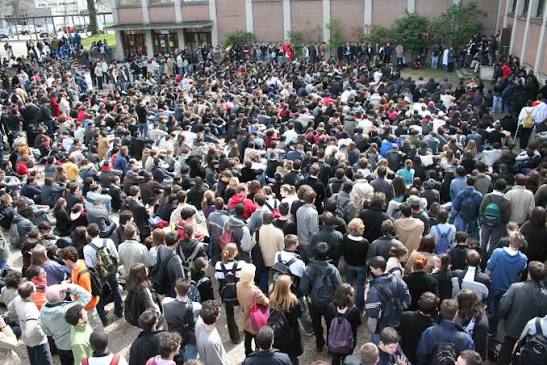
Student protests have spread across France, with high school and university students demanding better learning conditions, more educational resources and fairer access to higher education. The demonstrations have also highlighted concerns about rising tuition fees for some international students.
Students across France have staged demonstrations and blocked access to several schools and university campuses as frustration grows over the country’s education system.
The protests, which began in September 2026, have expanded to several parts of the country, drawing attention to concerns about overcrowded classrooms, staff shortages, poor school facilities and the difficulties students face when seeking admission to universities.
According to reports published by French and international media, the movement has attracted support from student organisations and some teachers’ unions.
What Sparked the Protests?
The demonstrations were initially driven by complaints about conditions in secondary schools, including a shortage of teachers, overcrowded classrooms, inadequate facilities and demanding school schedules.
Some students have also complained about classrooms that become unbearably hot, poorly maintained buildings and the lack of replacement teachers when regular staff members are absent.
University students have joined the movement, arguing that similar problems affect higher education, including insufficient resources and limited access to university places.
Student organisations say the government must take concrete action to improve the quality of public education and ensure that young people have a fair opportunity to continue their studies.
Concerns Over University Tuition Fees
Another issue raised by some university students concerns tuition fees, particularly the higher registration fees charged to certain international students from outside the European Union.
Under France’s differentiated tuition-fee system, some non-EU international students may be required to pay more than French and EU students at public universities. However, exemptions and other arrangements can apply depending on individual circumstances and university policies.
Student organisations opposing these fees argue that higher costs can make university education less accessible to students from low-income backgrounds.
They are also calling for more university places and a more accessible admissions system. The protests therefore concern not only the cost of education but also whether students can obtain the support and opportunities needed to complete their studies.
Schools and Universities Disrupted
The demonstrations intensified in early October, when students blocked entrances to schools and university campuses in several cities.
On October 2, Times Higher Education reported that the student organisation Union Étudiante had recorded blockades at 25 university campuses. Several institutions, including Paris Nanterre University and Toulouse Jean Jaurès University, experienced closures or interruptions to teaching activities.
The protests also affected secondary schools. French media reported that more than 1,000 schools took part in or were affected by mobilisation on October 1, although the level of disruption varied between institutions.
Some demonstrations remained peaceful, while others were marked by confrontations between protesters and police.
Clashes Between Protesters and Police
Tensions increased during some demonstrations as police intervened to disperse groups of protesters and restore access to schools and public areas.
Reports described incidents involving fires, projectiles thrown at police and damage to public property. Police used tear gas and other crowd-control measures during some confrontations.
Authorities have defended their interventions as necessary to protect public safety, while critics have raised concerns about the use of force against young demonstrators.
It is important to note that not all protesters participated in violent incidents. Some students and their supporters have maintained that their demonstrations are intended to draw attention to educational problems and press the government for concrete solutions.
What Are Students Demanding?
The demands vary between student groups, but commonly reported concerns include:
- More teachers and replacement staff when educators are absent.
- Better-maintained school buildings and classroom facilities.
- Less overcrowding and more suitable learning environments.
- Improved access to university places.
- Changes to the university admissions system.
- Greater financial accessibility for students, including opposition to higher tuition fees for certain international students.
Student organisations have warned that the protests could continue if the government fails to respond adequately to their concerns.
Government Under Pressure to Respond
The demonstrations have placed additional pressure on the French government to address complaints about public education while managing wider budget constraints.
The government faces the challenge of balancing demands for increased education spending with efforts to control public expenditure.
For students, however, the central issue remains whether schools and universities can provide adequate teaching conditions and fair opportunities for young people from different social and economic backgrounds.
As the protests continue, the government’s response and any concrete measures it introduces are likely to influence whether tensions ease or further demonstrations take place.