

India’s Cockroach Protest Raises Questions Over Freedom of Assembly

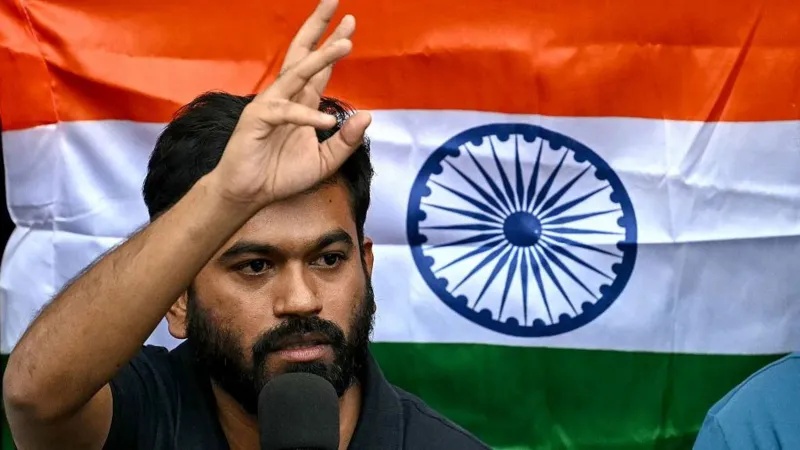
The detention of youth activist Abhijeet Dipke in New Delhi has renewed questions about the space available for peaceful political dissent in India, following police restrictions on a planned demonstration over alleged voter-list manipulation.
Dipke, founder of the youth-led Cockroach Janta Party (CJP), was detained on Friday as supporters prepared to gather in Connaught Place, one of the capital’s busiest commercial districts. The movement is demanding the resignation of India’s chief election commissioner over allegations of irregularities in electoral rolls. The Election Commission denies the allegations.
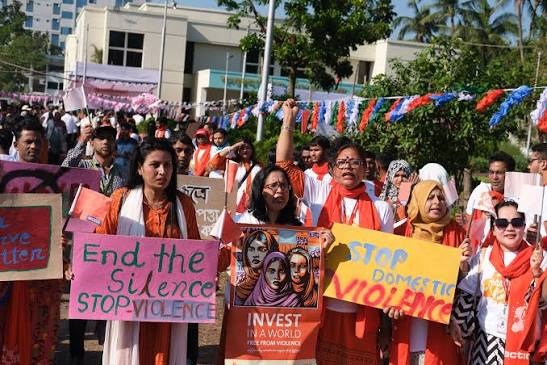
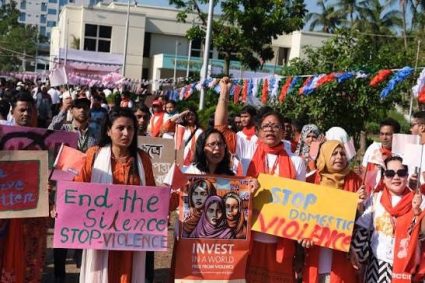
The incident highlights the tension between the authorities’ responsibility to maintain public order and citizens’ right to assemble and challenge public institutions. Although police warned Dipke against holding the march without permission, the restrictions prevented protesters from gathering at their intended venue. Authorities also closed Central Park for two days, citing administrative reasons, and offered to allow a small group to wave the national flag and sing the national anthem at another location.
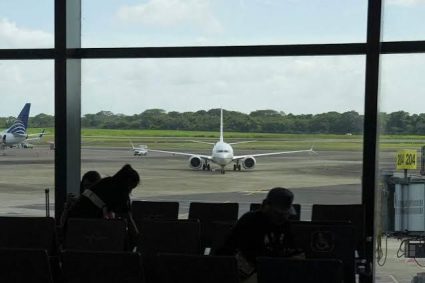
Police deployed security personnel and erected barricades across parts of the city to prevent the gathering. The BBC reported seeing young protesters being detained and pushed into a police bus, while Dipke was surrounded by officers shortly after leaving his residence. His detention came less than a week after police removed him from a plane following its arrival in Delhi and took him away before he could attend an earlier demonstration.
The repeated detentions have brought renewed attention to how authorities handle demonstrations that challenge government institutions. Opposition politician Anish Gawande, at whose house Dipke had been staying, questioned the decision to detain him, describing the detention of a man carrying the national flag as a joke. Police had not publicly confirmed the grounds for Dipke’s latest detention at the time of the report.
The movement’s demands centre on the integrity of India’s electoral process, an issue with implications for public confidence in democratic institutions. However, the allegations of voter-list manipulation remain disputed, making transparency, credible evidence and an effective response from election authorities essential to resolving the controversy.
The CJP has also sought to frame its campaign around patriotism and peaceful civic participation. Before Friday’s planned march, Dipke urged supporters who could not travel to Delhi to raise the Indian flag in their own towns and cities. The appeal offered a way for the movement to extend its message beyond the capital despite restrictions on the planned gathering.
Authorities’ handling of the protests raises broader questions about the conditions under which citizens can exercise their right to peaceful assembly. While governments may impose lawful restrictions for public safety, such measures require clear justification and should be proportionate to the risks involved. Establishing whether the restrictions and detentions met those standards requires greater clarity about the legal grounds for the police action.
The developments also demonstrate the challenges facing youth-led movements seeking accountability from established institutions. Repeated arrests and restrictions can disrupt mobilisation, but they can also draw attention to the issues activists are raising. Whether the CJP can turn that attention into sustained public support remains uncertain.
Ultimately, the controversy extends beyond Dipke’s detention. It concerns the relationship between democratic accountability, electoral transparency and the freedom to protest. How the authorities address the allegations against the electoral system, explain their actions and protect lawful political participation will be central to determining how the episode affects public confidence in India’s democratic institutions.