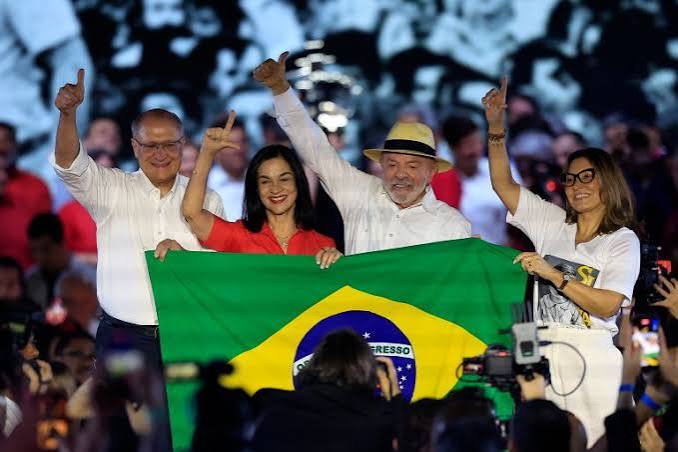





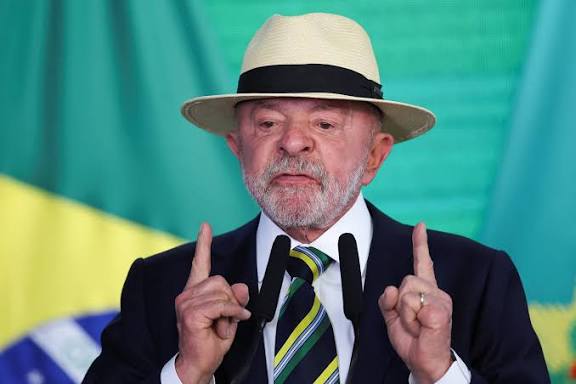
According to Brazil’s Superior Electoral Court (TSE), Lula secured 51.79% of the valid votes, equivalent to 64,256,232 votes, while Bolsonaro received 48.21%, or 59,826,041 votes. The result gives Lula a fourth presidential term, marking another significant chapter in his decades-long political career.
The victory represents a major comeback for the 80-year-old leader, who faced a strong challenge from Bolsonaro, the son of former Brazilian president Jair Bolsonaro. The two candidates represented contrasting political visions, with Lula campaigning on social welfare, democratic institutions and national sovereignty, while his opponent attracted support from the country’s political right.
Lula’s victory came after a competitive first round earlier in October, in which Bolsonaro had emerged ahead. The president subsequently intensified his campaign, seeking to mobilise supporters and persuade undecided voters to back his bid for another term.
Following the announcement of the results, Lula thanked Brazilian voters and highlighted the importance of protecting the country’s democracy. His campaign also appealed to younger voters and supporters concerned about social inequality and the direction of Brazil’s political future.
The election attracted significant attention beyond Brazil, Latin America’s largest economy. Lula has frequently advocated for an independent foreign policy and stronger cooperation among developing countries, positions that have sometimes placed him at odds with United States President Donald Trump.
Lula first became president in 2003 and was re-elected in 2006, serving until 2010. After returning to office in 2023, he sought another mandate to continue his political and economic agenda.
His political journey has included major setbacks, including corruption convictions that were subsequently annulled by Brazil’s Supreme Court, allowing him to return to electoral politics.
Lula is expected to begin his new term on January 5, 2027. His administration will face continuing challenges involving the cost of living, public security, economic growth and social inequality.
The result also highlights Brazil’s deep political divisions, with millions of voters supporting opposing visions for the country’s future. As Lula prepares for another term, attention will turn to how his government addresses these concerns and fulfils the commitments made during the campaign.