



Nigeria Confirms Ebola Case in Abuja as Health Authorities Trace 44 Contacts

Nigeria has confirmed an Ebola virus disease case in its capital, Abuja, prompting health authorities to intensify surveillance and contact-tracing efforts to prevent further transmission.
According to reports published on October 20, the patient is a woman who recently travelled from the Democratic Republic of the Congo (DRC) and transited through Uganda before arriving in Nigeria. She developed symptoms on October 7 and was admitted to a private hospital in Abuja on October 11, where she subsequently tested positive for Ebola.
Health authorities have identified 44 people who may have been exposed to the patient and are working to trace and monitor them as part of efforts to contain the virus.
The precise location where the woman contracted the infection remains under investigation. Ugandan health authorities have clarified that she passed through Uganda after visiting the DRC, but this does not establish that she acquired the infection in Uganda.
Government Activates Emergency Preparedness Measures
The confirmed case comes after the Nigerian government introduced measures to strengthen the country’s preparedness for Ebola and other emerging public health threats.
In June 2026, President Bola Ahmed Tinubu approved the establishment of a Presidential Task Force on Ebola preparedness and authorised the release of ₦10 billion in emergency funding to reinforce the country’s public health response capacity.
The measures were intended to improve disease surveillance, strengthen emergency response systems and reduce the risk of Ebola entering Nigeria from affected areas.
Nigeria previously succeeded in containing an Ebola outbreak in 2014, after the virus was introduced into the country by an infected traveller. That experience remains an important reference for the country’s current response.
Regional Concern Over Ebola Spread
The case in Abuja adds to concerns about the geographical spread of the current Ebola outbreak, which has affected parts of Central and East Africa.
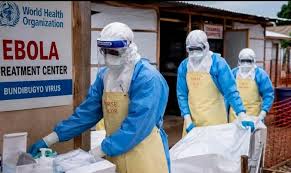
The outbreak involves the Bundibugyo strain of the Ebola virus, for which no approved vaccine or specific treatment has been established as of the reported outbreak situation.
Ebola spreads primarily through direct contact with the blood or other bodily fluids of an infected person, or through contaminated materials. Early detection, isolation of suspected cases, contact tracing and strict infection-prevention measures are essential to controlling transmission.
What Happens Next?
Health authorities are expected to focus on monitoring identified contacts, strengthening surveillance and ensuring that suspected cases are rapidly detected and managed.
The confirmation of a case does not automatically mean that an outbreak has become widespread in Nigeria. The effectiveness of contact tracing and the speed of the public health response will be important in determining whether further transmission occurs.
Authorities are urging the public to follow official health guidance and avoid spreading unverified information about the disease.