


Policy Swearing-in of CEPI members: a composition that is already arousing mistrust among the opposition.

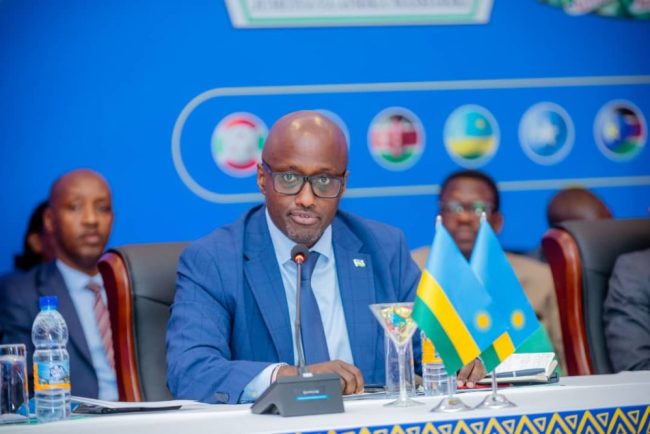
During the ceremony organized by the Independent National Electoral Commission (CENI), the new commissioners swore to fulfill their mission in accordance with the law. In their oath, they notably promised to “supervise the elections impartially and count the votes according to the results obtained .”
Distributed across Burundi’s five provinces, these 52 members now constitute the provincial level of the electoral administration. Their role will be crucial in organizing the upcoming elections, particularly with regard to supervising voting operations and centralizing results.
However, even though the members have only just taken office, their composition is already the subject of discussion within the political class. Several opposition parties are questioning the political balance of these commissions. The criticisms focus primarily on the fact that the presidents of the electoral commissions appointed in the five provinces are all from the ruling party.
Among the political parties represented on the commissions are the CNDD-FDD, Uprona, Sangwe Pader, PRP Abatuhurana, FPN Imboneza, MSP Inkinzo, FNL RANAC, and Radebu, among others. Several representatives of religious denominations and civil society have also been included in the various provincial commissions. This is notably the case for Codip (Collective of Organizations for Integrated Population Development).
Challenging the CENI while holding a seat on it?
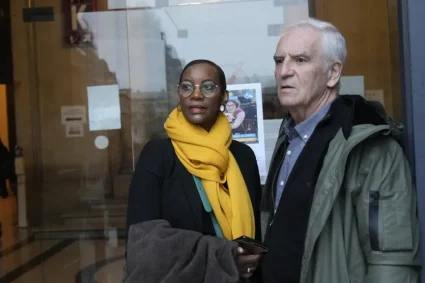
Some of the five parties that recently called for the dissolution of the CENI (Independent National Electoral Commission) claim they were not involved in the process of establishing the CEPIs (Independent National Electoral Commissions). One case stands out: that of Florence Ntakarutimana, identified as a member of Frodebu (the Democratic Front of Buhumuza) within the CEPI. She is the only known representative of this party across all the provincial commissions, while Frodebu is among the signatories of the letter contesting the legitimacy of the current CENI.
Unlike the other parties that signed the petition to dissolve the CENI, Uprona has at least one representative on the CEPIs in each of the country’s five provinces. However, major opposition parties, including the CNL, the CDP, and Codebu, are not represented on these provincial commissions, according to the lists published.
“The composition of the CEPIs complies with the provisions of the Electoral Code”
Despite the criticism, the president of the CENI, Prosper Ntahorwamiye, defends the regularity of the process. According to him, the composition of the CEPIs complies with the provisions of the Electoral Code, particularly Article 38. He specifies that the commissions are made up of 60% Hutu members, 40% Tutsi members, and 30% women.
The president of the CENI also emphasized that several criteria guided the selection of the commissioners. ” We took into account political diversity, ethnic diversity, and gender diversity ,” he stated, before urging the new members to demonstrate impartiality and neutrality in carrying out their responsibilities.
Despite these assurances, doubts persist within a segment of the opposition. For example, Patrick Nkurunziza, president of Frodebu, believes the issue of trust remains central. “When all the presidents of the CEPIs come from the same political party, it becomes difficult to convince the public that the electoral administration is neutral and impartial ,” he asserts.
According to him, this situation reinforces the concerns expressed by the five opposition parties that signed the letter addressed to the President of the Republic. These parties believe that the CENI (Independent National Electoral Commission) is acting more in favor of the ruling party than as an independent institution tasked with guaranteeing free, transparent, and fair elections.