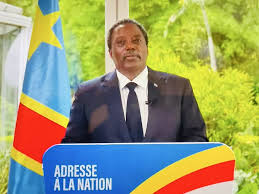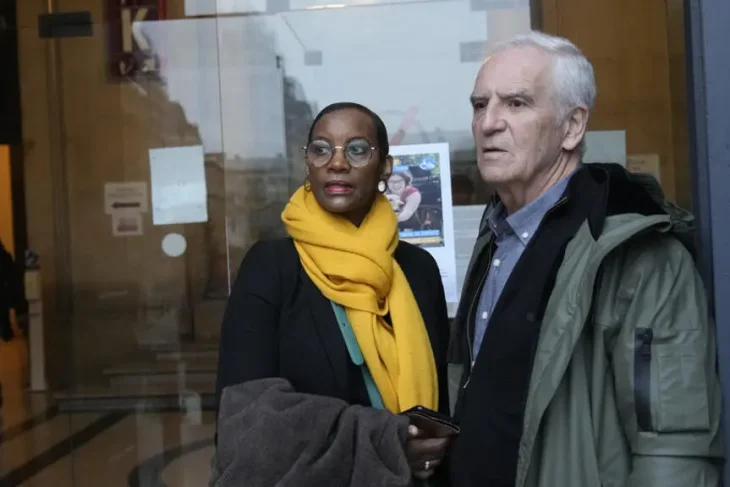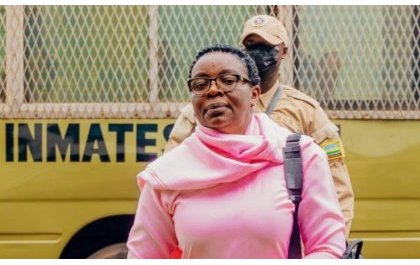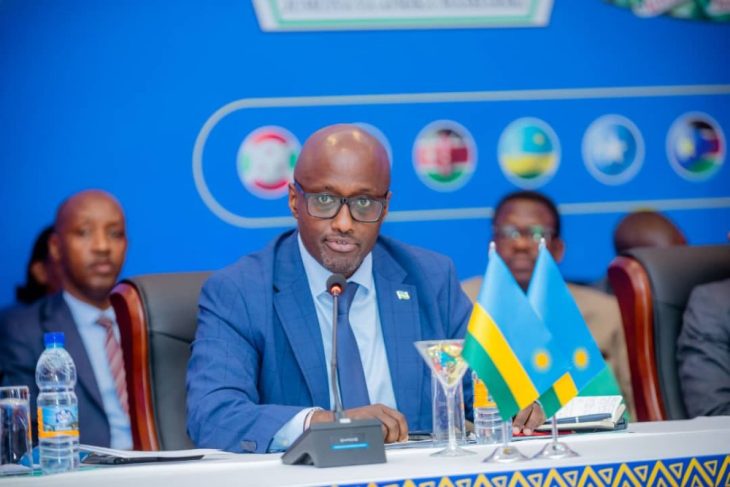



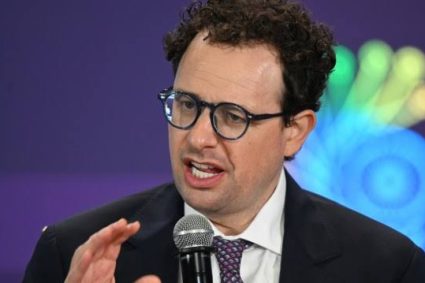

The delegation of the Democratic Republic of the Congo, led by the Minister for Regional Integration, Floribert Anzuluni, briefed the leaders of Togo, Angola and Congo on the progress made in the voluntary disarmament of the FDLR (Democratic Forces for the Liberation of Rwanda) fighters, in order to seek the support of these countries in this process.
Floribert Anzuluni, as Special Envoy of President Félix Tshisekedi, was accompanied by Sumbu Sita Mambu, the Special Envoy of the President of the Democratic Republic of the Congo.
On
Tuesday, September 29, the delegation was received in Lomé by Faure Gnassingbé, President of Togo and the mediator appointed by the African Union for peace talks in the Democratic Republic of the Congo.
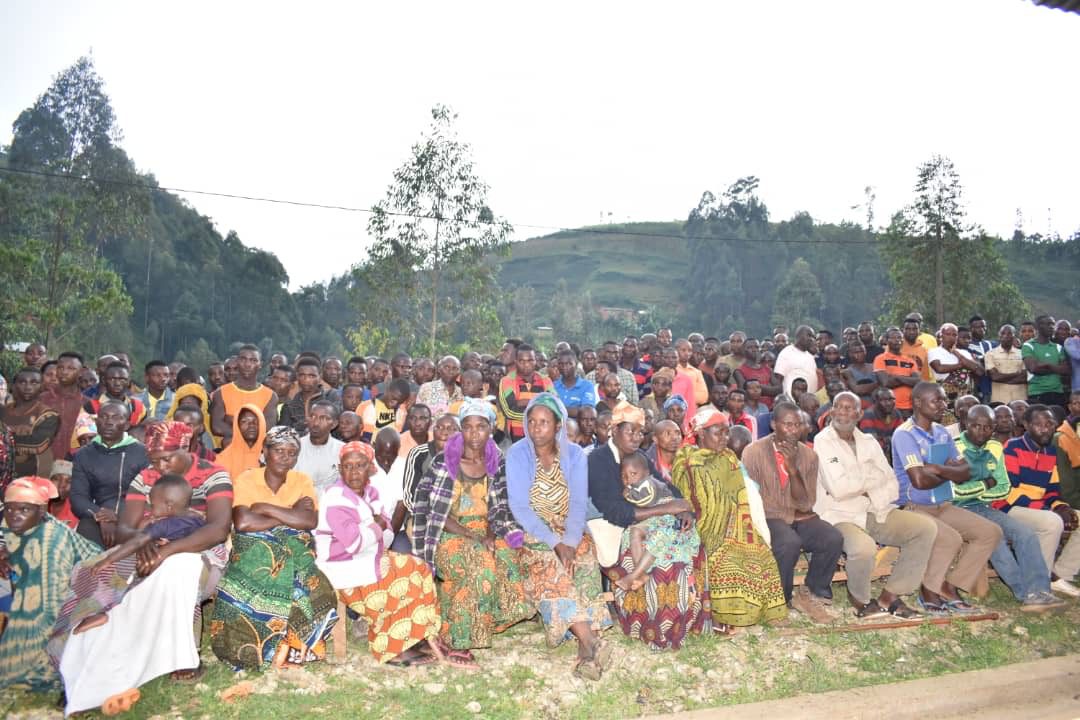
Other meetings The main focus of the talks was on the disarmament, demobilization, and reintegration of FDLR fighters through mobilization,” the group recently pledged.
In Luanda, the delegation delivered a message from President Félix Tshisekedi on the progress made on the peace process in eastern DRC, according to the Ministry of CommunOtherications’ regional liaison office.
“The DRC is informing its various partners of the progress made since the order for the voluntary surrender of FDLR members was issued,” Floribert adding that he had provided guidelines for the next steps, according to mediacongo.net.
The minister reaffirmed Kinshasa’s commitment to respecting the agreements it signed with Rwanda with the support of the United States. In Brazzaville, the talks also focused on the general security situation in eastern DRC.
Floribert Anzulini called for the involvement of regional and international partners to find a lasting solution to the conflict.
According to the Ministry, these diplomatic activities are aimed at supporting this process until its conclusion, with the aim of restoring peace and security in the eastern part of the country and in the Great Lakes Region.
This activity follows disagreements between Kinshasa and Kigali regarding the implementation of the Washington Agreements. The Agreement calls in particular for the complete eradication of the FDLR and for Rwanda to dismantle its security measures .
Rwanda disagrees with the Democratic Republic of Congo on the agreement it reached with the FDLR because it believes that it is not what the Washington Agreement provides for, while Kinshasa supports this plan, which it sees as a way to permanently stop the FDLR and eliminate what it calls Rwanda’s pretext