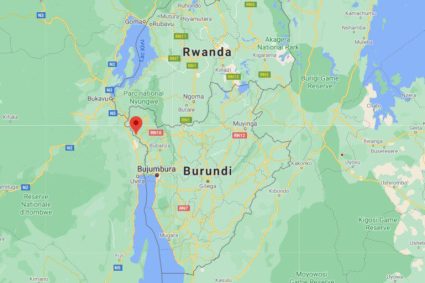


The vast majority of the inhabitants of this hill have spent part of their lives in refugee camps in Tanzania or the DRC following the cyclical crises that have plagued Burundi. They believe that unaddressed trauma can fuel the spread of hate speech. In the long term, this can contribute to the emergence of collective violence.
For them, despite the return of peace and their homeland, not all the problems have been solved. They believe that returnees face land disputes, difficulties accessing housing, and poverty. Some feel they are not fully accepted by the host community. “These situations can lead to feelings of injustice, frustration, or abandonment.”
Jean Ntiyanzimvye, a resident, says that the wounds of the past remain raw. Difficulties related to accessing land, housing, employment, or basic social services can reopen old wounds. “Many have returned from refugee camps, but some have not yet had their rights restored. This leaves people traumatized and feeling like strangers in their own country.”
According to another resident, some returnees isolate themselves and avoid contact with their neighbors. They find it difficult to trust the authorities and other members of the community. “This isolation reduces opportunities to rebuild social connections, which can exacerbate feelings of exclusion.”
Pascasie Ndayizeye shares this opinion. She also states that being a victim of injustice or discrimination is reminiscent of the suffering experienced during crises. “There are people who feel frustrated. This reinforces tensions in the neighborhood. Social groups considered responsible for their suffering are targeted.”
Everyone is then calling for social listening and the restoration of people’s respective rights.
The administration does not deny the facts.
William Hamenyimana, a local councilor in Mugerama, acknowledges that the wounds of the past remain raw for some. This is evident in their language. He is also aware that there are still returnees whose rights have not yet been restored. This situation reinforces mistrust and frustration.
He clarified, however, that the issue has been 90% resolved. The administration is also trying to raise awareness about harmonious coexistence to prevent conflicts.
Call for psychosocial support
Psychologist Félicité Ntikurako explains that past wounds profoundly influence the behavior and language of those affected.
She explains that a person who has experienced a traumatic event often exhibits symptoms that show they remain trapped in their past. “The event happened years ago. She continues to relive it as if it had just happened again.”
In this state, the person is no longer able to fully experience the present. They interpret current situations through the lens of their painful experience. This reliving of the trauma, she says, can lead to generalization. “The victim tends to consider everyone a wrongdoer when the perpetrator is only one specific person.”
This psychologist points out that massacres or large-scale conflicts are always preceded by a long process of preparation.
To prevent this downward spiral, it calls on public authorities to strengthen psychosocial support for the population. It recommends the creation of community-based therapeutic spaces in schools, healthcare facilities, and other public institutions.