



On June 18, 2026, Burundian President Évariste Ndayishimiye will complete six years in office and begin the seventh and final year of his first term. After six years in power, opinions remain divided. Some believe several sectors have declined or stagnated, while others note significant progress in governance, infrastructure, and socio-economic development.
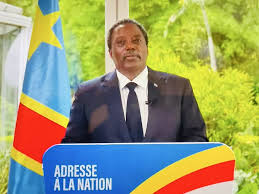
During his inauguration on June 18, 2020, the head of state delivered a speech filled with hope and ambitious commitments. Presenting himself as the “Father of the Nation,” he promised to guarantee civil liberties, particularly the right to freedom of expression for political parties, civil society organizations, and citizens.
He also pledged to establish a form of local governance focused on the concerns of the people.
On the economic front, the president had emphasized the need to strengthen agricultural and livestock production, believing that lasting peace could not be separated from improving the living conditions of Burundians.
The development of agriculture and livestock farming was therefore among the priorities of the 2017-2028 National Development Plan.
The housing issue was also one of the challenges identified from the outset of the term. To address it, the Head of State emphasized the role of the Burundi Housing Office, tasked with designing and building social housing accessible to civil servants and low-income households.
The stated objective was to enable beneficiaries to gradually achieve homeownership through a staggered repayment system.
President Ndayishimiye also stated that the electoral victory belonged not only to the ruling party, the CNDD-FDD, but to all Burundians. He promised to govern without discrimination and to build the country on principles of good governance, respect for human rights, and the protection of citizens.
Six years later, the evaluation of these commitments is sparking debate. While some achievements are regularly cited by supporters of the government, particularly in infrastructure, diplomacy, and certain development programs, critics believe that the results fall short of public expectations.
Challenges related to the cost of living, access to foreign currency, youth employment, fuel supply, and economic governance continue to fuel discussions about the record of the seven-year term.
As the president enters the final year of his term, the question remains: to what extent have the promises made in 2020 been fulfilled? The answers vary depending on political sensitivities and the sectors concerned.